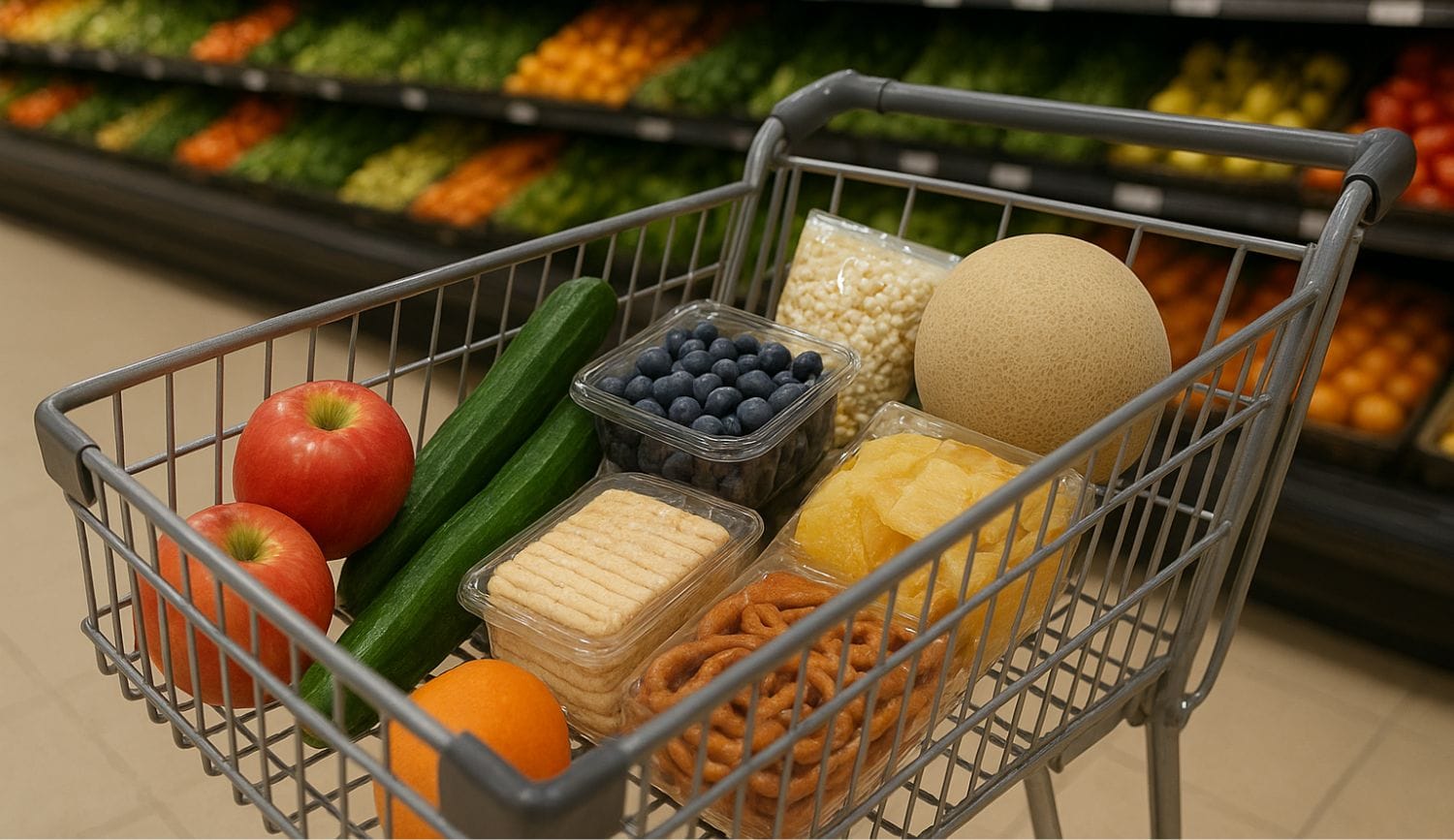
Low histamine snacks are where the diet gets quietly undermined. Breakfast, lunch, and dinner are planned carefully. The proteins are fresh, the meal structure is right, and obvious triggers are removed. Then symptoms persist, and the cause is often what happens between meals — not the meals themselves.
Snacks are frequently chosen for convenience rather than control. A packaged cracker, a handful of nuts from an old bag, or dried fruit assumed to be harmless can quietly increase histamine load and disrupt progress.
This guide shows how to simplify snacking so it supports your diet instead of working against it.
Quick low histamine snacks (start here)
If you need something safe right now, use one of these easy options:
- Fresh apple or pear
- Plain rice cakes with butter
- Blueberries with a small handful of pumpkin seeds
- Carrot and cucumber sticks
- Plain oat porridge with fresh fruit
- Freshly cooked eggs
These snacks are reliable, low-effort, and easy to repeat without overthinking.
Why snacks trigger histamine symptoms
Snacks often cause symptoms not because of the food category itself, but because of how they are prepared, stored, or processed. These small differences are easy to overlook.
Leftover timing is one of the most consistent issues. Histamine accumulates in cooked food during refrigeration. A portion of chicken saved from dinner is not the same food the next day.
Packaged snack foods often contain additives that interfere with histamine breakdown. Ingredients such as citric acid, preservatives, yeast extracts, and flavourings are common even in products marketed as healthy.
Hidden fermented ingredients also appear under less obvious names. Vinegar, tamari, and fermentation-derived flavour systems can be included in small amounts that still affect tolerance.
Timing plays a role as well. By mid-afternoon, the body has already processed histamine from earlier meals, leaving less capacity for additional intake.
What makes a snack low histamine
A low histamine snack is defined by freshness, simplicity, and minimal processing. These three factors matter more than the food category itself.
Freshness is especially important for protein-based snacks. A freshly prepared egg is generally safe, while the same egg stored for two days may not be.
Minimal processing reduces the risk of hidden additives. Foods with short ingredient lists are consistently more reliable than those with complex formulations.
Straightforward combinations allow better control. A snack built from two or three known ingredients is easier to tolerate than one made from multiple unknown variables.
For a broader understanding of safe foods, the low histamine food list provides a complete reference.
If you are still unsure which foods are generally well tolerated, the what to eat with histamine intolerance guide provides a broader overview.
Types of low histamine snacks
In practice, low histamine snacks can be grouped into a few simple categories. Understanding these makes daily choices easier and more predictable.
Fresh snacks
Fresh snacks require the least scrutiny and should form the foundation of your routine.
Fresh fruit such as apples, pears, or blueberries provides accessible options. Vegetables like cucumber, carrots, and celery are similarly reliable.
Freshly prepared eggs offer a protein-based option when needed, as long as they are consumed the same day.
Simple combinations
Combining two safe foods creates more satisfying snacks without adding unnecessary complexity.
Examples include:
- Plain rice crackers with fresh butter
- Fresh fruit with a small amount of nut butter
- Plain oats prepared fresh with fruit
- Simple bread with a small portion of freshly cooked protein
Each component should be individually safe and fresh.
Packaged snacks
Packaged snacks require more attention but are not automatically excluded.
Focus on:
- Short ingredient lists
- No preservatives or additives
- No vinegar, yeast extract, or artificial flavourings
Plain rice cakes, simple crackers, and minimally processed grain-based snacks can be suitable when the ingredients are clean.
Practical low histamine snack ideas
Once the principles are clear, building a small set of repeatable snacks becomes easy. These options are realistic and easy to maintain.
- A fresh apple or pear
- Plain rice cakes with butter or banana
- Carrot and cucumber sticks
- A small handful of fresh nuts from a recently opened packet
- Plain oat porridge with fresh fruit
- Freshly cooked chicken with rice crackers
- Pumpkin seeds from a fresh packet
Keeping these ingredients available becomes easier with a structured low histamine grocery list.
What to avoid as snacks
Some snack categories consistently introduce histamine or interfere with its breakdown. These are best avoided, especially when symptoms are active.
- Dried fruit accumulates histamine during processing and storage.
- Chocolate and cocoa products contain histamine and can also act as liberators.
- Fermented dairy snacks such as yogurt and kefir accumulate histamine during production.
- Packaged snack bars and nut mixes often combine multiple risk factors, including additives and oxidised fats.
A typical “healthy” snack bar may include dates, chocolate, vinegar, citric acid, and flavourings, creating multiple triggers in one product.
Common snack mistakes
Even when food choices seem correct, small habits can quietly increase histamine exposure. These are the most common mistakes to watch for:
- Relying on leftovers, especially protein stored overnight
- Over-snacking throughout the day, increasing cumulative load
- Choosing packaged foods without checking ingredients
- Assuming “healthy” labels mean safe
How to build a safe snack routine
A reliable snack routine does not require complexity, but it does require consistency. These habits help maintain stability.
- Shop for snack ingredients with the same freshness standards used for main meals.
- Prepare protein-based snacks fresh whenever possible.
- Keep snack options easy to repeat daily.
- Time snacks earlier in the day when histamine tolerance is higher, and keep later snacks lighter.
These habits align with the structure used in a low histamine meal plan.
Dinner choices also influence how snacks are tolerated, especially in the evening when histamine load is higher.
Frequently Asked Questions
These are the most common questions people ask when choosing low histamine snacks and trying to avoid hidden triggers throughout the day.
What snacks are low histamine?
Fresh fruits, vegetables, plain rice cakes or crackers, freshly prepared eggs, small amounts of fresh nuts, and simple oat-based options are among the most reliable choices.
Can I eat packaged snacks on a low histamine diet?
Yes, but only when ingredient lists are short, simple, and free from preservatives, vinegar, yeast extract, and artificial additives.
Are fruits safe snacks for histamine intolerance?
Fresh fruits such as apples, pears, blueberries, and grapes are generally well tolerated. Citrus fruits and strawberries may act as histamine liberators and are best avoided initially.
What should I avoid as snacks?
Dried fruit, chocolate, fermented dairy, processed snack bars, and packaged foods with additives or hidden fermented ingredients should be avoided.
Do snack timings matter for histamine intolerance?
Yes. Snacks earlier in the day are generally better tolerated than those consumed later, when cumulative histamine load is higher.
Conclusion
Low histamine snacking works when it follows the same principles as the overall diet: fresh over stored, straightforward over complex, and ingredient awareness over assumptions.
Snacks are often where these principles break down, which is why they become a hidden source of persistent symptoms.
When snack choices become consistent and predictable, the entire day becomes easier to manage — and symptoms become easier to control.
This article is for informational purposes only and does not constitute medical advice. Individual responses vary.